ENERGY CENTRES
The Energy Centres serve as the technical outreach arm of the Rural Electrification and Renewable Energy Corporation (REREC). Their primary role is to raise awareness and support the adoption of sustainable energy solutions through:
- Training & Sensitization on Renewable Energy Technologies.
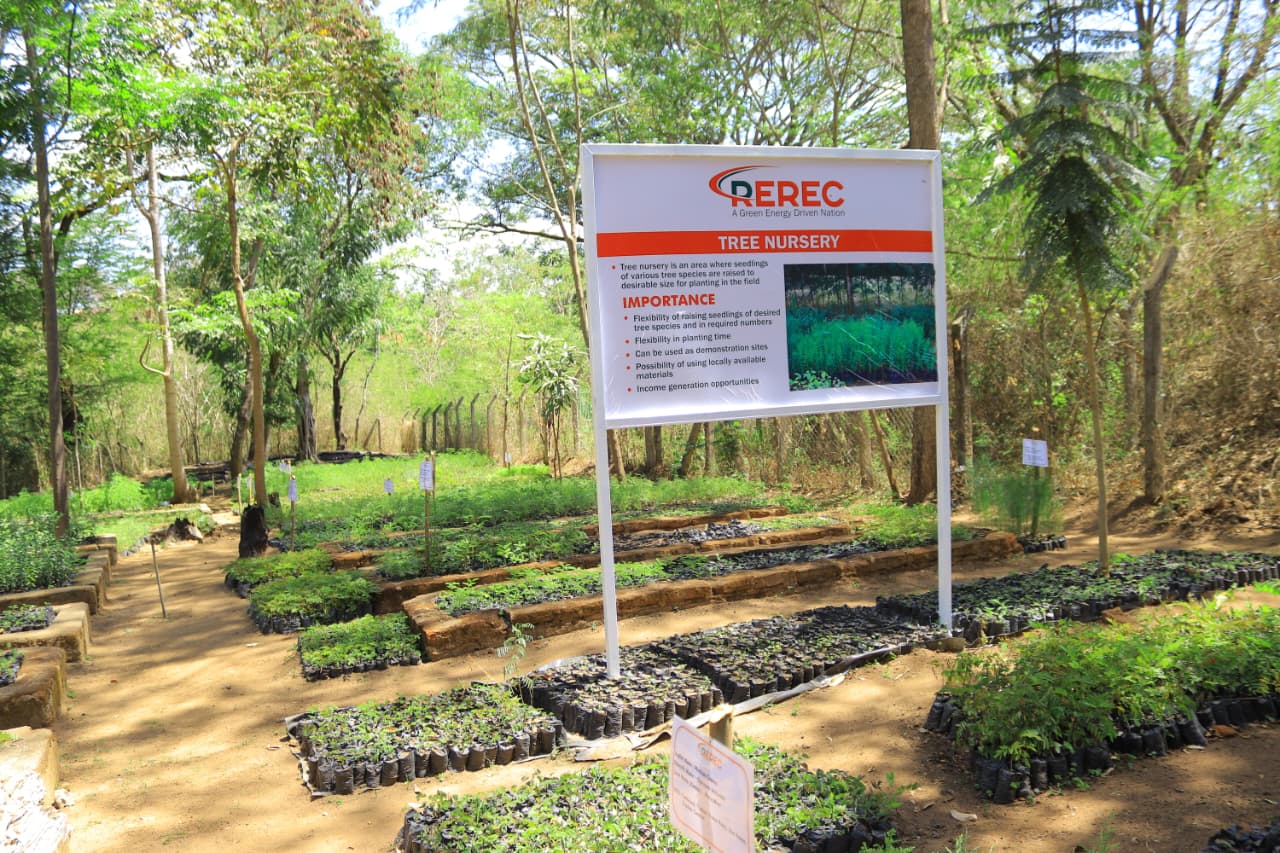
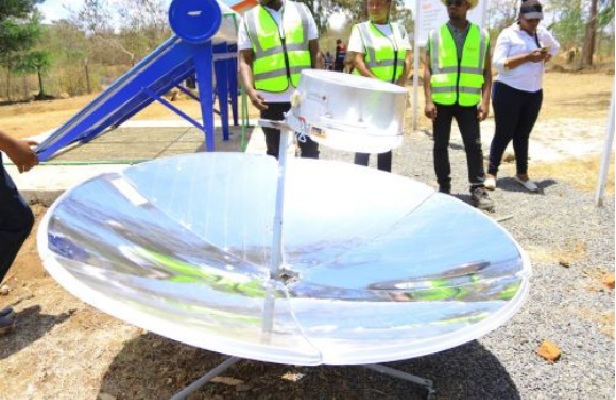
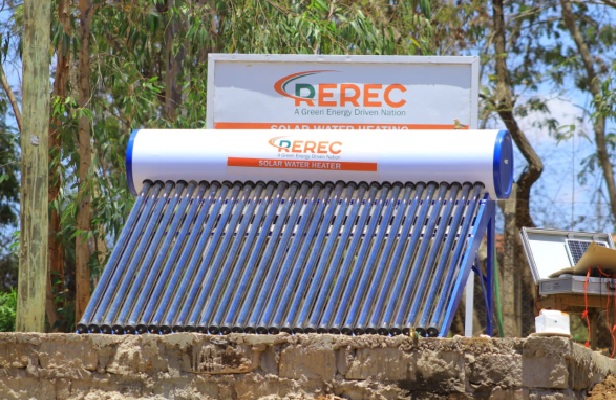
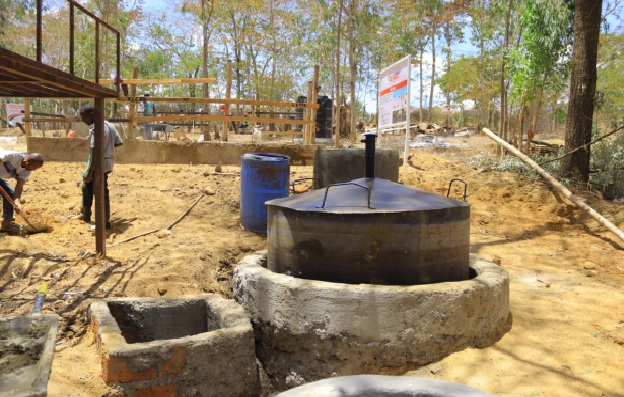
- Practical Demonstrations and display of Renewable Energy Technologies in all the Energy Centres e.g on Solar applications, biogas utilization, improved and clean cooking solutions and agroforestry.
The Energy Centres are a critical resource for driving sustainable development in their regions of coverage by building local capacity, providing free technical knowledge, and promoting clean technologies. This empowers communities, conserves the environment, and reduces energy poverty.
Currently, there are seventeen (17) operational REREC Energy Centres across the country.
Counties of Coverage by Energy Centres
| S/No. | Energy Centre | County | Counties of Coverage |
|---|---|---|---|
| 1 | Bukura | Kakamega | Kakamega, Kisumu, Vihiga and part of Bungoma |
| 2 | Busia | Busia | Busia, Siaya and part of Bungoma |
| 3 | Garissa | Garissa | Garissa and Tana River |
| 4 | Jamhuri | Nairobi | Nairobi, Kiambu, Kajiado and Narok |
| 5 | Kericho | Kericho | Bomet and Kericho |
| 6 | Kisii | Kisii | Kisii, Nyamira, parts of Homa Bay and parts of Narok (Kilgoris and Narok West) |
| 7 | Kitui | Kitui | Machakos, Makueni and Kitui |
| 8 | Lodwar | Turkana | Turkana and West Pokot |
| 9 | Maralal | Samburu | Samburu and parts of Laikipia |
| 10 | Marsabit | Marsabit | Marsabit |
| 11 | Migori | Migori | Migori, Homa Bay and part of Narok (Kilgoris) |
| 12 | Mirangine | Nyandarua | Nyandarua, Nakuru and parts of Laikipia (West & North) |
| 13 | Mitunguu | Meru | Meru, Embu, Tharaka Nithi and Isiolo |
| 14 | Mtwapa | Kilifi | Mombasa, Kilifi, Lamu, Tana River, Kwale and Taita Taveta |
| 15 | Uasin Gishu | Uasin Gishu | Uasin Gishu, Trans-Nzoia, Nandi, Baringo and Elgeyo Marakwet |
| 16 | Wajir | Wajir | Wajir and Mandera |
| 17 | Wambugu | Nyeri | Nyeri, Murang’a, Kirinyaga and parts of Laikipia (East & Central) |
Renewable Energy Technologies
The Energy Centres offer training and sensitization on Improved Cook Stoves, Clean Cooking, Solar Technologies, Biogas Technology and other emerging technologies to the communities in their counties of coverage.
Service Description
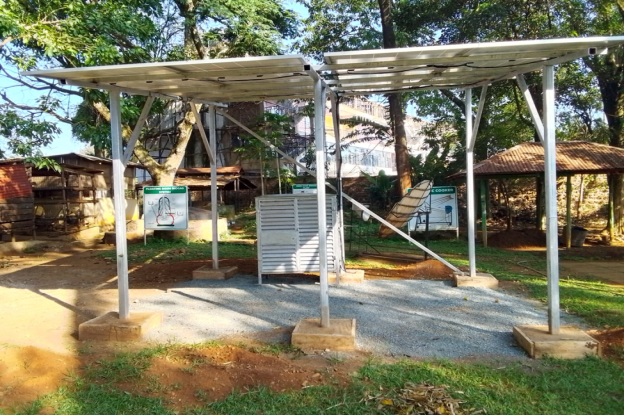
Full spectrum of photovoltaic (PV) systems for lighting, solar thermal applications for water heating, cooking and drying agricultural products. Training covers system sizing, component selection (panels, batteries, inverters, charge controllers), installation best practices, maintenance, and safety protocols.
Key Benefits
Client Impact
Transition from "energy poverty" to reliable electricity for lighting, phone charging, and entertainment.
Adoption of solar water pumps increases crop yields through reliable irrigation, reducing the labor associated with manual watering.
Small businesses experience increased revenue by operating beyond daylight hours and utilizing power tools without the noise and fumes of generators.
Service Description
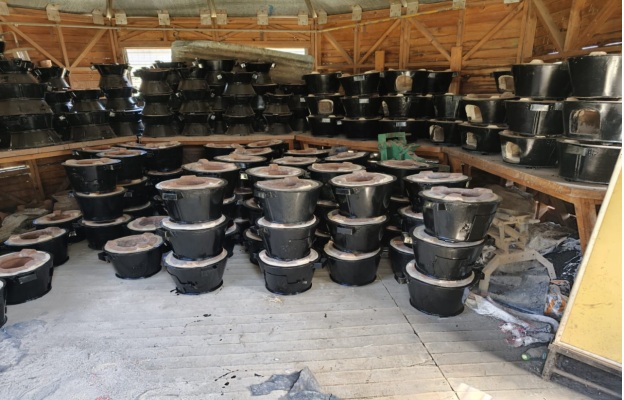
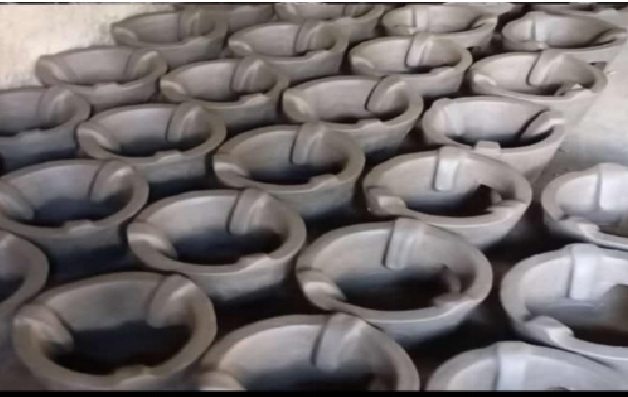
Sensitization focuses on the transition from traditional three-stone fires to energy-efficient cookstoves supporting Kenya's aim to achieve universal access to clean cooking by 2028. Training includes mechanized production of different types of improved cookstoves (rocket stoves, ceramic jikos, institutional stoves).
Key Benefits
Client Impact
Reduced exposure to toxic smoke leads to better long-term health outcomes. Time saved from fuelwood collection is redirected toward economic empowerment.
Significant reduction in monthly expenditure on cooking fuel, freeing up household income for food, school fees, and healthcare.
Service Description
Promotes the transition to modern, non-biomass cooking fuels and technologies. Training covers the use of bioethanol stoves, electric pressure cookers (EPCs), induction cookers, LPG etc at their clean cooking hubs. Emphasizes operational safety and environmental advantages.
Key Benefits
Client Impact
Cleaner kitchens lead to easier cleaning, improved aesthetics, and safer environments for children.
Schools and hospitals benefit from safer, more sanitary kitchens and predictable fuel costs.
Service Description
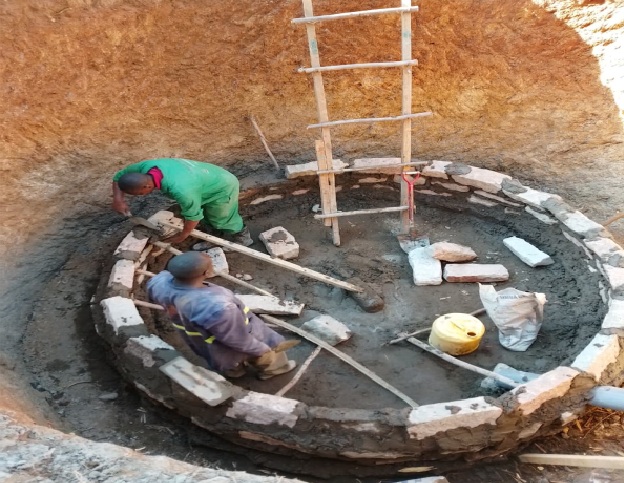
Training and sensitization cover the anaerobic digestion of organic waste (animal manure, kitchen waste) to produce methane gas for cooking and lighting, with bio-slurry as a by-product used as a rich organic fertilizer.
Key Benefits
Client Impact
Dual benefits: reduced fuel costs for milk pasteurization/cooking and improved soil fertility for fodder crops via slurry application.
Boarding schools achieve energy self-sufficiency for cooking, significantly reducing their operating budgets.
Service Description
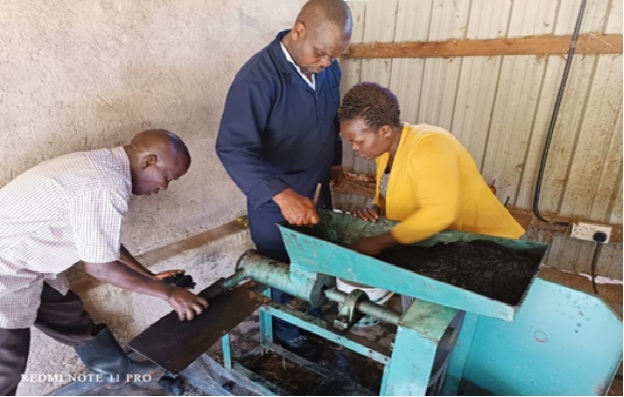
Training focuses on converting biomass waste into high-density, clean-burning fuel briquettes. Covers the entire value chain: feedstock identification, carbonization, binder preparation, manual and mechanical briquetting techniques, drying, packaging, and marketing.
Key Benefits
Client Impact
Convert crop residues into fuel for household use or a saleable product, creating an additional income stream.
Youth groups establish briquette production enterprises with minimal capital investment, creating employment.
Service Description
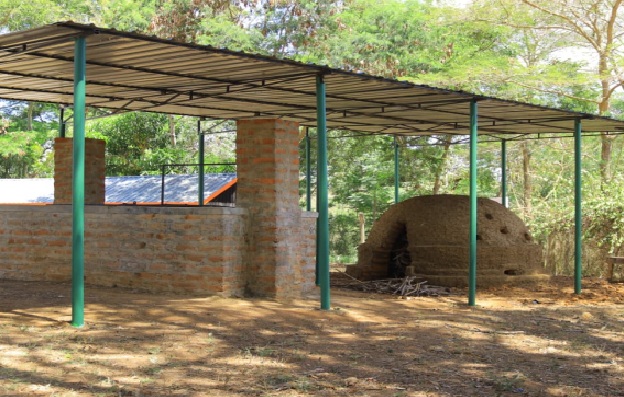
Addresses the charcoal value chain by replacing the traditional, environmentally destructive earth mound kiln with modern, improved kilns. Covers kiln technologies, site selection, feedstock preparation, carbonization process management, and sustainable harvesting practices.
Key Benefits
Client Impact
Higher yields per tree allow producers to maintain or increase income while reducing raw material costs.
Directly contributes to Kenya's goal of 30% tree cover and reducing pressure on water towers.
Service Description
Introduces clients to next-generation technologies becoming viable in Kenya. Includes Solar PV for E-Mobility, Solar Refrigeration, Battery Energy Storage Systems (BESS), Small Wind Turbines and green hydrogen.
Key Benefits
Client Impact
Creation of new business models, such as "Boda Boda" charging stations and cold-storage-as-a-service hubs.
Solar refrigeration ensures the integrity of vaccines and medicines in remote dispensaries.
Service Description
Recognizing the symbiotic relationship between trees and energy, this service focuses on establishing Energy Woodlots. Training involves nursery establishment, tree species selection, planting techniques, and sustainable harvesting cycles.
Key Benefits
Client Impact
Farmers transform unproductive land into "green banks"—savings accounts in the form of timber and fuelwood.
Facilitates the distribution of tree saplings, fostering community groups focused on land restoration.
Energy Centre Gallery
Browse our projects and training sessions across different renewable energy categories